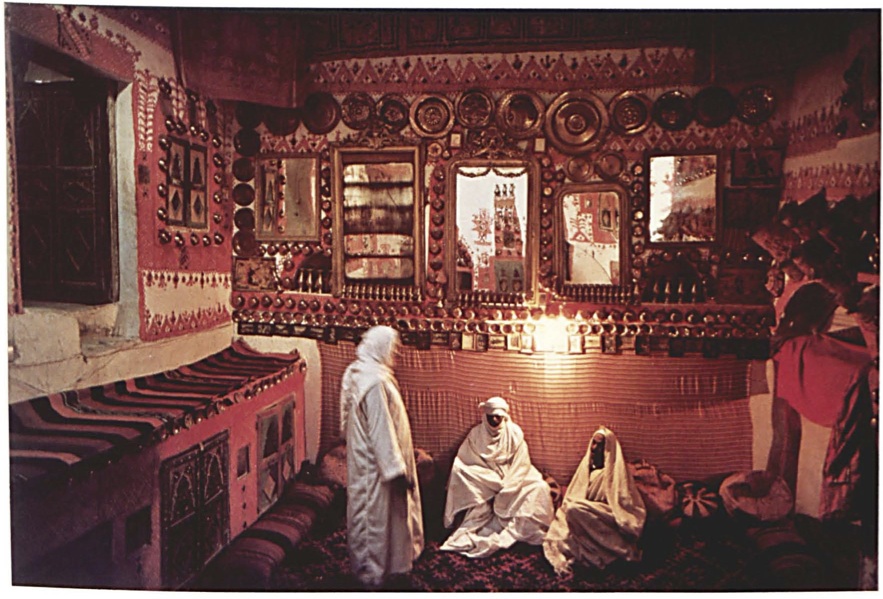
Room in a Ghadamsi house (Plate 1). © AM Yedder.
Searching the British Library database recently for Ph.D. theses related to Libya yielded an unexpected gem: The oral literature associated with the traditional wedding ceremony at Ghadames, a 1982 thesis written at SOAS by A.M. Yedder, a native of Ghadames. I first had a look at the physical copy in the SOAS library: a 431-page tome containing dozens and dozens of transcribed and translated texts in the Berber language of Ghadames, not to mention quite a few color photographs hand-pasted into it.
As with any Berber language in Libya, more material is a great boon, and this one contains a rich variety of oral literature used during weddings: 82 wedding songs, 20 ‘ritual utterances’, 3 ‘calls’, and 4 ululations. Many of the texts preserved here may no longer be known in Ghadames–Yedder gives details about each of his 19 informants, for example, several of which were born not long after 1900 and knew texts that were already in the 1970s forgotten by most other informants. A detailed discussion of the town’s social structure, unique house architecture, and the long and complex wedding ceremony itself means that the work is interesting even for those who do not specialize in Berber language.
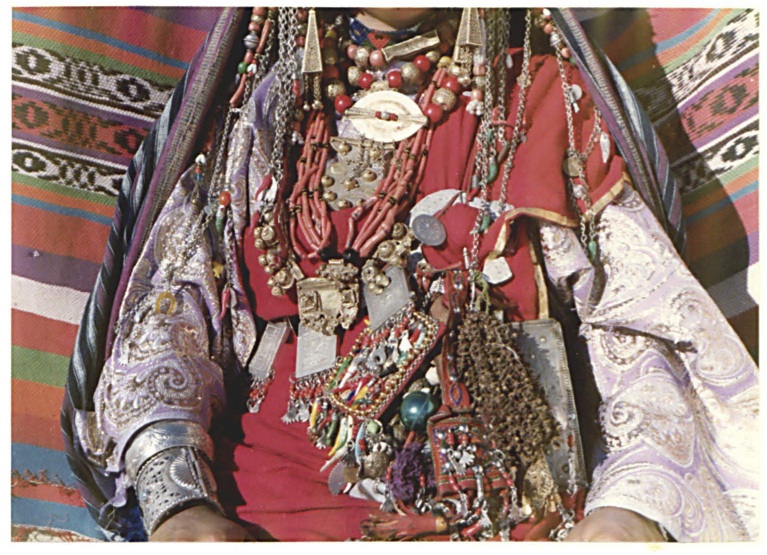
Ghadamsi wedding jewelry (Plate 30). © AM Yedder.
It strikes me that this thesis may be one of the most detailed descriptions of a North African wedding ceremony ever made. Its wealth of information and uniqueness mean that it should be published, even, or especially, after having lain unconsulted in the SOAS library for thirty years. Thanks to some colleagues who helped allay the costs, I had the BL scan the entire thesis. It can be downloaded from this link (the file is large, > 100mb).
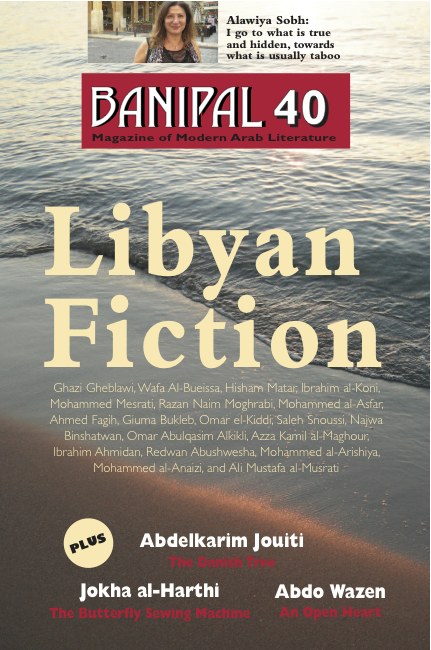 Banipal, the UK-based magazine of modern Arabic literature in English translation, published an issue dedicated to Libyan Fiction back in 2011. The print edition is reasonably priced and well worth having, but issue 40 also happens to be available online at
  “The Tripolitanian Annals” is a work written by Laurent-Charles Féraud, a French Arabist and statesman, while he was consul general in Tripoli from 1879 to 1884. The work contains extremely important historical information about the region of Tripolitania, pertaining not just to the 19th century, but to the region’s history since the Arab conquest. Originally published posthumously in 1927, then largely forgotten, the manuscript was recently re-edited and published by
 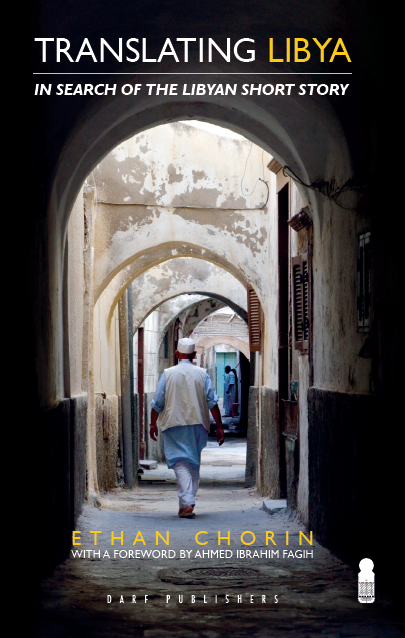 Darf Publishers has just released the second edition of Translating Libya, a collection of short stories by Libyan authors selected and translated from Arabic by Ethan Chorin. The first edition was published in 2008 with Saqi Publishers at a time when there existed essentially no Libyan literature in English or other European languages. Since then, two things have happened: the book has become hard to find, and Darf Publishers have begun to publish Libyan literature in translation. It is thus perfectly appropriate that these two things come together and that a new edition of Translating Libya appears with Darf.
 The Silphium Gatherer | مجمّع سلفيوم