 Another important community in Libya, which we mention on this blog for the first time, are the Tebu, who live mainly in southern Libya. Essentially nothing, as is repeated here all too often, has been published about the Tebu of Libya in Western scholarship [1]. Nevertheless, the Tebu have come increasingly into the news as a result of conflicts in southern Libya. Also, given the restrictive language and minority-related policies of the regime and subsequent turmoil, little in Arabic was produced in Libya, either.
Happily an Arabic book about the Tebu in Libya has appeared recently (as Lameen informs me), The Book of the Tebu by ‘Abd al-Mun‘im al-Maḥjūb. I haven’t found a copy yet, so can’t vouch for it, but draw attention to it here as it is a good sign that Libyan scholars and publishers are devoting resources to the study of communities such as the Tebu. Here is part of its introduction:
إن هذا الكتاب يساهم في إعادة ترتيب فصول وأولويات التاريخ الثقافي للصحراء الكبرى، من خلال التعريف بالتبو ودراسة لغتهم واستقصاء تاريخهم المجهول وعرض بعض الأنماط الفولكلوريّة التي تختزل كيانهم الاجتماعي، كما يهدف إلى تجريد هذه الموضوعات من طابع الحداثة الذي يغلب عليها في الآراء والانطباعات السائدة الآن، وذلك بإعادة اقتراح إحداثياتها التأسيسيّة وموضَعتها من جديد ضمن سياقاتها التاريخية وتراتيبها الكرونولوجية، وهو الأمر الذي تنطبق ضرورته على تاريخ الأقوام المجاورة أيضاً”. ينقسم الكتاب إلى ثلاثة فصول على النحو التالي: الفصل الأول يعرّف بالتبو في محيطهم الجغرافي والديموغرافي والإثني، ويقرأ أصولهم ممّا توفّر من إشارات نادرة تركها المؤرخون القدامى. الفصل الثاني: يتناول التكوين الاجتماعي والتقسيم الطبقي والأعرافهم والتقاليد والطقوس والممارسات الاجتماعية والفنون الفولكلوريّة والمهارات في استخدام عناصر البيئة الصحراوية لصنع الأدوات والمستعملات اليومية. الفصل الثالث: يتناول لغة التبو وإشكاليتي تدوينها وتصنيفها، وبحث فرضيات نشأتها الأولى، مذيلاً بمسرد لغوي مقارن، وبعض تعابيرهم الشفوية. كما يجد القارئ في نهاية هذا الكتاب ملحقاً بمختارات ممّا كتبه الرحّالة الذين مرّوا بالتبو ودوّنوا عنهم ما شاهدوه عياناً أو لاحظوه استنتاجاً، وذلك من خلال نماذج تختزل مثيلاتها من كتابات القرن الثامن عشر والقرن التاسع عشر وأوائل القرن العشرين
1. The only published study that I could find after extended searching was racial science drivel about Tebu living in Kufra which I won’t dignify with a reference here.
 Anna Baldinetti,
  Mattingly, D. J., Daniels, C. M., Dore, J. N., Edwards, D. and Hawthorne, J.
  Hawthorne, J.
  Ines Kohl. 2009.
 “The Tripolitanian Annals” is a work written by Laurent-Charles Féraud, a French Arabist and statesman, while he was consul general in Tripoli from 1879 to 1884. The work contains extremely important historical information about the region of Tripolitania, pertaining not just to the 19th century, but to the region’s history since the Arab conquest. Originally published posthumously in 1927, then largely forgotten, the manuscript was recently re-edited and published by
  Although some essays are outdated or rather simplistic, a few are still interesting reads. I recommend “La Libye des origines à 1912” by Robert Mantran; “Introduction à la connaissance de la littérature libyenne contemporaine” by Noureddine Sraieb is still one of the very few essays in a Western language addressing Libyan literature; “Chronologie libyenne” by Béatrice de Saenger is a handy timeline of events (obviously till 1975).
 The first is
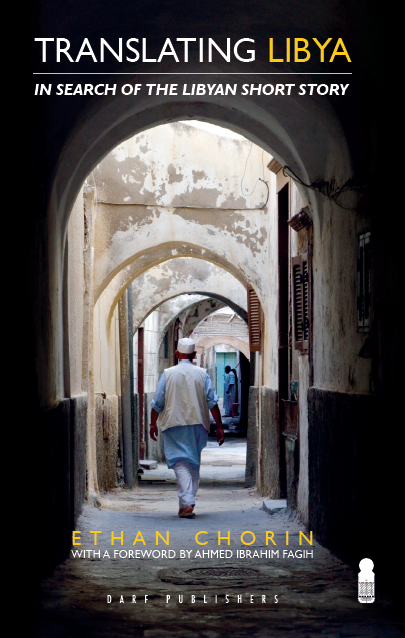 Darf Publishers has just released the second edition of Translating Libya, a collection of short stories by Libyan authors selected and translated from Arabic by Ethan Chorin. The first edition was published in 2008 with Saqi Publishers at a time when there existed essentially no Libyan literature in English or other European languages. Since then, two things have happened: the book has become hard to find, and Darf Publishers have begun to publish Libyan literature in translation. It is thus perfectly appropriate that these two things come together and that a new edition of Translating Libya appears with Darf.
 The Silphium Gatherer | مجمّع سلفيوم