During this month we will focus on the Fezzan, Libya’s southern region. This region is covered by so little Western journalism that a Twitter account was started simply to produce reliable information from and on it: the Fezzan Libya Media Group. It would be beneficial to focus on the Fezzan from an academic perspective, too. Like other parts of Libya, the Fezzan has interesting people, cultures, and histories. So to start off with, another open-access publication:
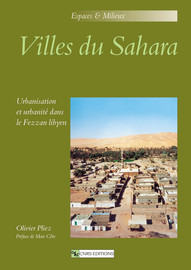 Villes du Sahara: Urbanisation et urbanité dans le Fezzan libyen [Cities of the Sahara: Urbanization and urbanity in the Libyan Fezzan]. ed. Olivier Pliez. CNRS Éditions (2003).
The book is divided into three sections, which discuss “the cities of the Fezzan between the State and crossroads”, “local dynamics framed by the State”, and “towards a Saharan urbanity”. An essay by the same author, also on urbanization in the Fezzan (also in French) titled “An urbanity without a city?” , is also available online.
 “The Tripolitanian Annals” is a work written by Laurent-Charles Féraud, a French Arabist and statesman, while he was consul general in Tripoli from 1879 to 1884. The work contains extremely important historical information about the region of Tripolitania, pertaining not just to the 19th century, but to the region’s history since the Arab conquest. Originally published posthumously in 1927, then largely forgotten, the manuscript was recently re-edited and published by
 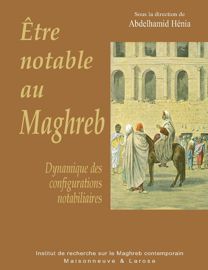 In the edited book
 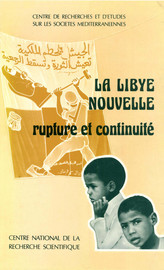 Although some essays are outdated or rather simplistic, a few are still interesting reads. I recommend “La Libye des origines à 1912” by Robert Mantran; “Introduction à la connaissance de la littérature libyenne contemporaine” by Noureddine Sraieb is still one of the very few essays in a Western language addressing Libyan literature; “Chronologie libyenne” by Béatrice de Saenger is a handy timeline of events (obviously till 1975).
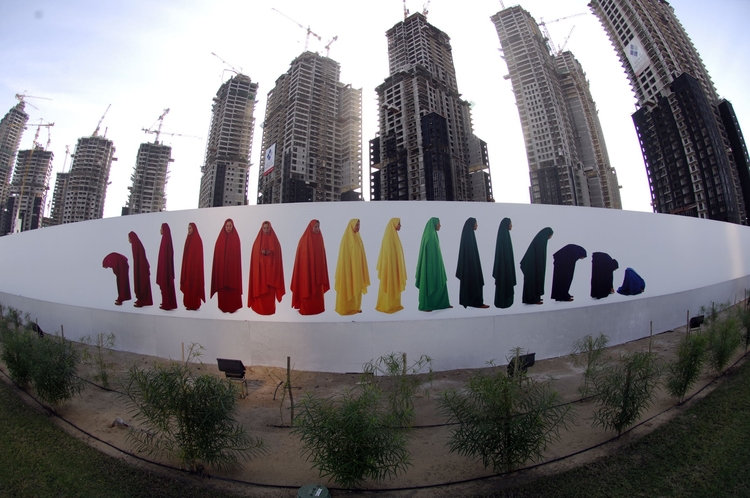
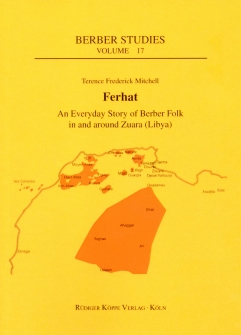 The first is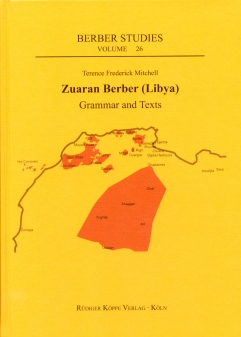
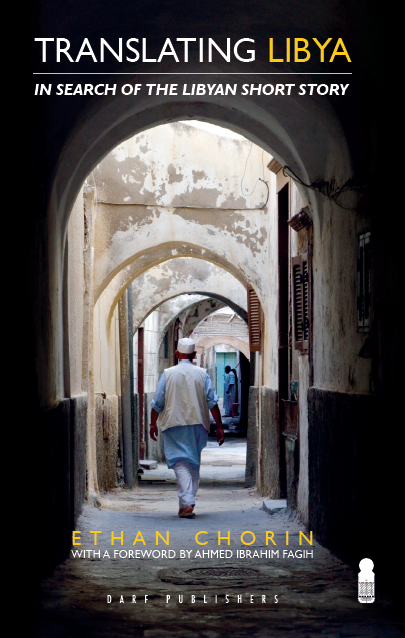 Darf Publishers has just released the second edition of Translating Libya, a collection of short stories by Libyan authors selected and translated from Arabic by Ethan Chorin. The first edition was published in 2008 with Saqi Publishers at a time when there existed essentially no Libyan literature in English or other European languages. Since then, two things have happened: the book has become hard to find, and Darf Publishers have begun to publish Libyan literature in translation. It is thus perfectly appropriate that these two things come together and that a new edition of Translating Libya appears with Darf.

 The most recent publication is my friend and colleague

 The Silphium Gatherer | مجمّع سلفيوم