One of the most active fields of research with regard to the Fezzan is archaeology. A British team (The Fezzan Project) has been leading work there for several decades, culminating in the publication of a number of volumes.
 Mattingly, D. J., Daniels, C. M., Dore, J. N., Edwards, D. and Hawthorne, J. The Archaeology of Fazzān. Volume 1, Synthesis. The Society for Libyan Studies/Department of Antiquities, London (published 2003).
Mattingly, D. J., Daniels, C. M., Dore, J. N., Edwards, D. and Hawthorne, J. The Archaeology of Fazzān. Volume 2, Gazetteer, Pottery and Other Finds. The Society for Libyan Studies/Department of Antiquities, London (published 2007).
Mattingly, D. J., Daniels, C. M., Dore, J. N., Edwards, D. and  Hawthorne, J. The Archaeology of Fazzān. Volume 3, Excavations of C.M. Daniels. The Society for Libyan Studies/Department of Antiquities, London (published 2010).
Mattingly, D. J., Daniels, C. M., Dore, J. N., Edwards, D. and Hawthorne, J. The Archaeology of Fazzān. Volume 4, Survey and Excavations at Old Jarma (Ancient Garama) carried out by C. M. Daniels (1962–69) and the Fazzān Project (1997–2001). The Society for Libyan Studies/Department of Antiquities, London (published 2013).
 Ines Kohl. 2009.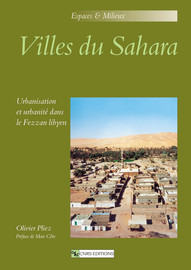
 “The Tripolitanian Annals” is a work written by Laurent-Charles Féraud, a French Arabist and statesman, while he was consul general in Tripoli from 1879 to 1884. The work contains extremely important historical information about the region of Tripolitania, pertaining not just to the 19th century, but to the region’s history since the Arab conquest. Originally published posthumously in 1927, then largely forgotten, the manuscript was recently re-edited and published by
 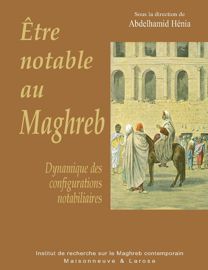 In the edited book
 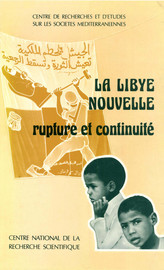 Although some essays are outdated or rather simplistic, a few are still interesting reads. I recommend “La Libye des origines à 1912” by Robert Mantran; “Introduction à la connaissance de la littérature libyenne contemporaine” by Noureddine Sraieb is still one of the very few essays in a Western language addressing Libyan literature; “Chronologie libyenne” by Béatrice de Saenger is a handy timeline of events (obviously till 1975).
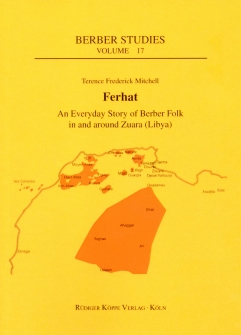 The first is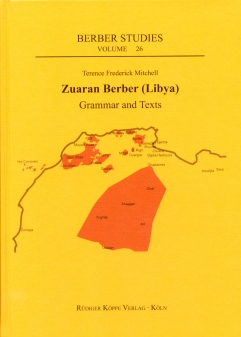
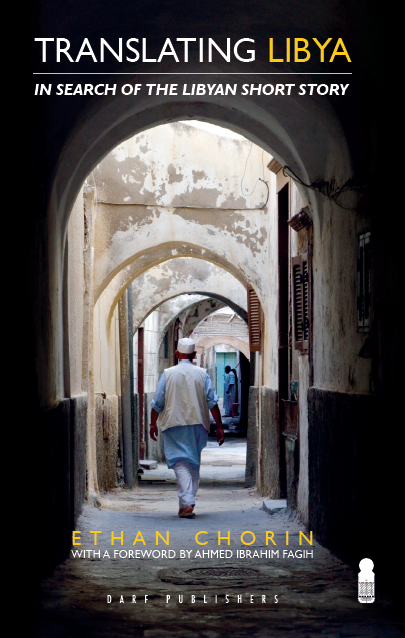 Darf Publishers has just released the second edition of Translating Libya, a collection of short stories by Libyan authors selected and translated from Arabic by Ethan Chorin. The first edition was published in 2008 with Saqi Publishers at a time when there existed essentially no Libyan literature in English or other European languages. Since then, two things have happened: the book has become hard to find, and Darf Publishers have begun to publish Libyan literature in translation. It is thus perfectly appropriate that these two things come together and that a new edition of Translating Libya appears with Darf.

 The Silphium Gatherer | مجمّع سلفيوم